user-friendly ready-to-use supplies partner nicotinamide mononucleotide
Bioprocessing depends strongly on a diverse spectrum of input materials to produce innovative bio-based products.
Securing continuous ethical sourcing of resources remains essential to industry resilience and responsible expansion.
numerous problems stemming from established sourcing methods for example habitat harm and overextraction of resources. Accordingly, companies are required to implement regenerative sourcing methods to mitigate footprints.
- Instances of green procurement approaches are:
- Employing waste-stream inputs from industry leftovers
- Deploying circular process designs to reduce discard and boost reuse
- Forging alliances with neighborhood suppliers supporting green sourcing
Transitioning to green supply models secures ecological benefits and economic upside.
Tuning Feedstock Characteristics for Higher Biofuel Efficiency
Improving fuel production performance copyrights on the attributes of biomass inputs. Investigators regularly test new routes to upgrade biomass inputs, delivering enhanced conversion and a more resilient energy mix. Programs combine genetic improvement for biomass productivity with conversion technologies to access fermentable substrates.
- Likewise, initiatives explore candidates such as algal biomass, process wastes, and agricultural leftovers to extend sustainable feedstock availability for fuels.
- As a result of relentless efforts the industry should deliver significant enhancements paving a path to sustainable energy.

Upstream Process Improvements for Modern Biopharma Production
covers the early phases of biopharma production including culturing and biological harvesting Recent developments in this field have resulted in optimized workflows that raise overall output.
Crucial progress includes proprietary cell systems, optimized growth media, and adaptive bioreactor architectures. These developments raise yield and cut costs as well as diminish environmental consequences.
- Additionally, a shift to integrated continuous operations is providing enhanced flexibility and responsiveness in production.
- This shift towards more sophisticated biopharmaceutical manufacturing methods promises to revolutionize the industry and pave the way for faster development of novel therapeutics.
CRISPR and Beyond: Improving Biopharma Production
developments in targeted genetic engineering methodologies have modernized drug manufacturing. Using precise gene interventions, engineers raise the output of key therapeutic proteins. This route supports the creation of more affordable and productive treatments for multiple disorders.
Microbial Solutions for Greener Bioremediation Practices
forward-looking microbial interventions for environmentally friendly decontamination. Microbial species can metabolize and convert hazardous compounds into benign byproducts.. Utilizing microbial metabolism supports eco-friendly site cleanup methods that limit secondary harm from remediation.. Analysts explore microbial consortia for targeted removal of metal toxins, pesticide residues, and petroleum contaminants.. Microbial strains work in bioreactor settings or on-site applications to convert pollutants through biological pathways..
Biological remediation using microbes yields meaningful benefits compared to conventional strategies. The approach tends to lower treatment costs and avoids producing toxic residuals. Likewise, microbial systems can selectively degrade contaminants while sparing the wider environment. Research progresses swiftly to enhance microbial remediation efficiency and practical effectiveness.
Leveraging Bioinformatics for Novel Therapeutics
Computational biology approaches are becoming vital across contemporary drug R&D. By analyzing biological data to select and improve leads, computational α-Ketoglutaricacid methods support efficient drug development.
- Using extensive genomic, proteomic, and patient data, analysts discover targets and anticipate therapeutic performance.
- Likewise, computational docking and dynamics help design molecules with improved target engagement and potency.
- Finally, bioinformatics is revolutionizing the drug discovery and development process, accelerating the time to bring safe and effective treatments to patients in need.
Pathway Engineering for Greater Bioproduct Yields
integrates multiple methods to augment cellular production of target bioproducts. Strategies involve pathway refactoring by genetic modification, expression modulation for balanced flux, and grafting of novel genes to add capacity.. By calibrating pathway dynamics and expression levels teams can greatly amplify bioproduct yields.
Such holistic engineering could impact many areas including medical therapeutics, agricultural outputs, and biofuel production.
Barriers and Benefits When Expanding Biopharmaceutical Manufacturing
Upscaling therapeutic manufacturing brings major obstacles along with promising prospects. One major challenge is maintaining consistent product quality at increased scales. Managing it necessitates robust automation, high-fidelity monitoring, and powerful analytical capabilities.

Also challenging is the layered complexity of biomanufacturing encompassing numerous sequential steps.. Adapting protocols for industrial scale requires considerable development work and engineering advances.. Even so, the payoff can be large. Successful scaling up can lead to increased access of life-saving therapies, reduced production costs, and enhanced profitability.
Several projects are designed to mitigate these scaling barriers. Efforts include process-digitization tools, integrated analytics for monitoring, and fresh manufacturing paradigms.
- Developmental projects contribute critically to scaling manufacturing competency.
- Regulators are reforming approval systems to facilitate adoption of advanced manufacturing and nurture innovation.
Mapping the Compliance Environment for Safe Therapeutic Development
Engineering biologic therapies includes robust governance to assure patient safety and measure effectiveness. Biologics sourced from living systems pose distinct regulatory and manufacturing complexities versus small-molecule drugs.
Bodies like FDA and EMA shape the regulatory landscape and set benchmarks for evaluating innovative therapies..
Thorough testing frameworks are compulsory during all stages of development including after market release.. The protocols serve to uncover safety concerns and certify that products fulfill rigorous protection standards..
Additionally, regulators regularly update methods to match the pace of fast-moving biopharma innovations.. Measures involve adopting innovative technologies and enabling development acceleration without compromising patient welfare.
Plant-Based Biomass Options for Bioplastic Manufacturing
The rising demand for eco-friendly materials fuels R&D on bio-based alternatives. Plant-based bioplastics made from biomass feedstocks present a hopeful path to reduced plastic impact. Biomass sources such as cornstarch, cellulose, and sugarcane are usable to produce plastics that biodegrade and reduce ecological impact.
Concurrently, several bioplastic formulations approximate conventional plastic traits and serve wide-ranging applications. Ongoing studies and technology development are vital to exploit plant feedstocks for bioplastics and foster a circular economy.
Biotech Contributions to Global Health and Crop Productivity
Biotechnology offers potent solutions for advancing public health and enhancing food security. Through advancements in genetic engineering, synthetic biology, and cell therapies, biotechnologists are developing innovative solutions to combat infectious diseases, improve crop yields, and enhance nutritional value.. One example is bioengineered crops that withstand pests and stressors, enabling higher yields with less pesticide input.. Moreover, biotechnology plays a crucial role in developing vaccines, antibiotics, and diagnostic tools that are essential for combating infectious diseases and improving global health outcomes.. Looking forward, continued biotech progress promises to deliver therapies and agricultural solutions that support health and sustainability worldwide.
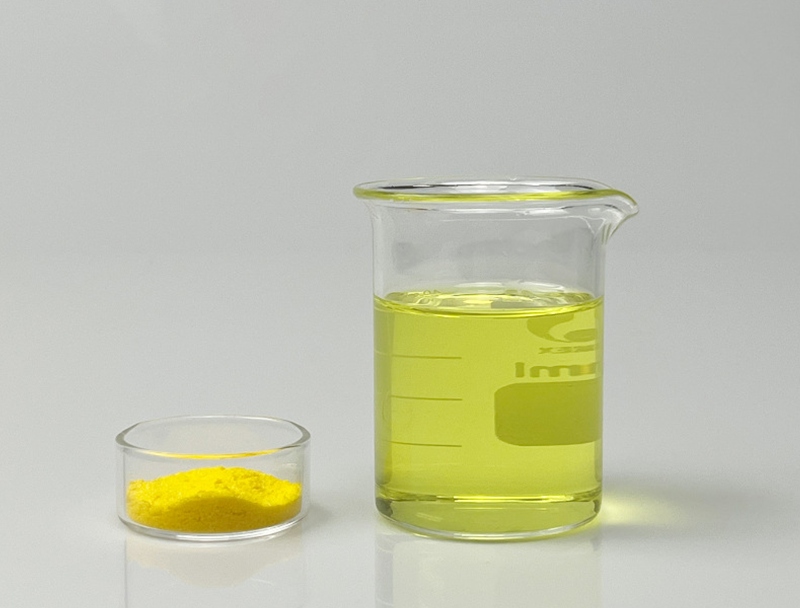 2-Ketoglutaric acid